As organizations become increasingly digitized, information security has shifted from a back-end technical function to a front-line strategic priority. The rapid adoption of cloud, AI, and automation is reshaping the threat landscape—introducing new risks and expanding attack surfaces.
Yet, security performance measurement has not kept pace. Many organizations still rely on compliance checklists and periodic audits. But compliance alone does not prevent breaches—and despite significant investment, the global cost of cyber incidents continues to rise.
This stems from a fundamental flaw: security performance is often judged by effort spent rather than outcomes delivered. Today’s dashboards track patch cycles and policy adherence, but they rarely answer the question boards care about: Are we resilient enough to withstand tomorrow’s threats? Static measurement creates blind spots. It tells you what happened yesterday, not what will happen tomorrow. In a world of accelerating threats, this approach is no longer sufficient.
Determining the success of an organization’s information security program is not just about meeting regulatory requirements. It is about establishing a continuous and adaptive approach to measure effectiveness, identify gaps early, and drive improvement before risks materialize. The critical question is: How can organizations ensure their security program is not only compliant but truly effective in protecting assets, adapting to evolving risks, and supporting business objectives?
A well-established and dynamic security performance evaluation framework is essential to answer this question. It enables organizations to measure, monitor, and improve the effectiveness of security initiatives — transforming operational activities into actionable insights and predictive intelligence that supports informed decision-making across the enterprise.
Moving from static measurement to dynamic security performance evaluation
Traditional security measurement approaches often rely on static indicators such as compliance checklists, periodic audits, and qualitative assessments. While these methods satisfy regulatory requirements, they do not provide real-time visibility or predictive insights — creating blind spots that hinder proactive decision-making.
Global standards such as NIST SP 800-55 Revision 2 and ISO/IEC 27004 emphasize moving beyond qualitative risk descriptions toward quantitative, data-driven metrics that enable continuous monitoring and improvement. This shift transforms security measurement from a retrospective exercise into a proactive capability that supports risk-based decisions and resource optimization.
A dynamic evaluation model introduces adaptability and foresight into security performance management through four key principles:
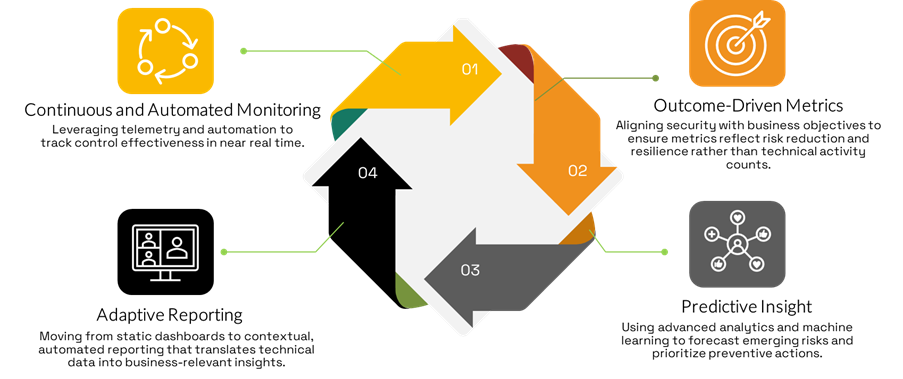
Figure 1: Key principles of dynamic security performance evaluation
Common barriers to effective security performance measurement
Despite the clear benefits of dynamic performance evaluation, many organizations struggle to implement it effectively due to structural and operational challenges that slow progress and create blind spots.
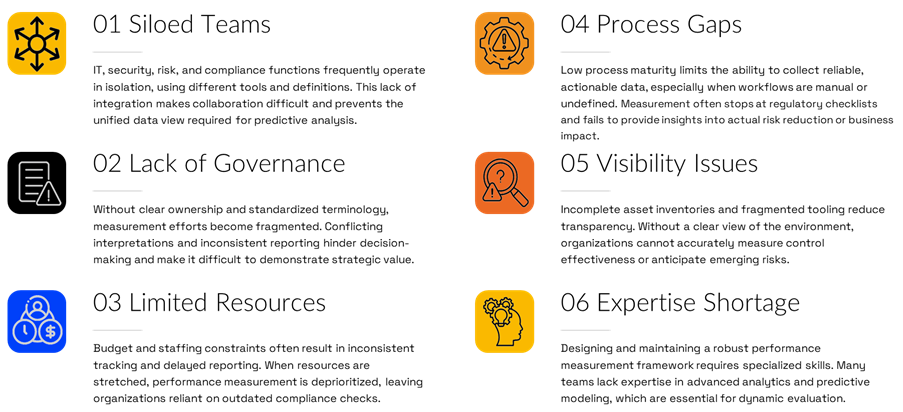
Figure 2: Top challenges in implementing Information Security Performance Evaluation
Overcoming these barriers requires integrated governance, automation, and a clear link between security performance and business objectives — three areas that are explored in detail in Part 2 of this series.
Building a dynamic, predictive security performance evaluation framework
A dynamic evaluation framework does more than collect data. It transforms measurement into a continuous and adaptive process that drives informed decisions and measurable improvement. This integrates real-time monitoring, predictive analytics, and adaptive reporting into daily operations — ensuring that security performance reflects current risk conditions while anticipating future threats.
The lifecycle of a dynamic evaluation program typically includes six stages: Identify What Matters; Define and Validate Metrics; Collect Data Continuously; Analyze, Interpret and Forecast; Report Actionable Insights; and Improve and Adapt.
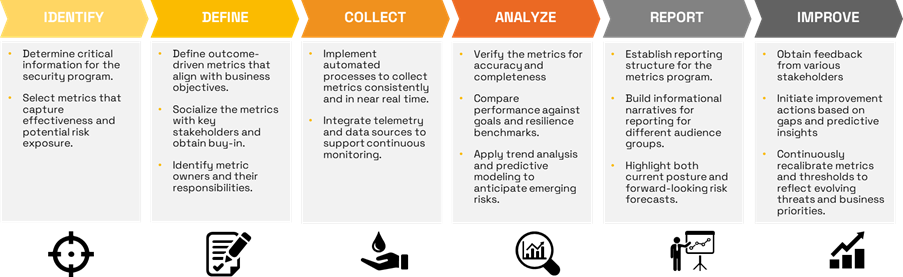
Figure 3: The performance evaluation lifecycle
This model aligns with international standards such as ISO/IEC 27004 and NIST SP 800-55 Revision 2, emphasizing that measurement is an ongoing process linking evidence to action. By adopting a dynamic and predictive approach, organizations move beyond compliance-driven reporting to a proactive framework that strengthens resilience and supports strategic decision-making.
In Part 2, we explore how to align security metrics with business strategy, translate data into actionable insights, and build a practical roadmap for implementation — including why organizations in the Middle East can no longer afford to wait.