This is Part 2 of a two-part series. Read Part 1 here.
Aligning metrics with business strategy and security objectives
When thoughtfully designed, security metrics do more than track operational activity. They offer a strategic view of how effectively the security function supports the business and enables resilience. A dynamic evaluation framework achieves this by combining strategic alignment with predictive intelligence.
Organizations should begin by focusing on key Information Security Strategic Pillars spanning people, process, and technology domains — which jointly define the maturity and effectiveness of a security program.
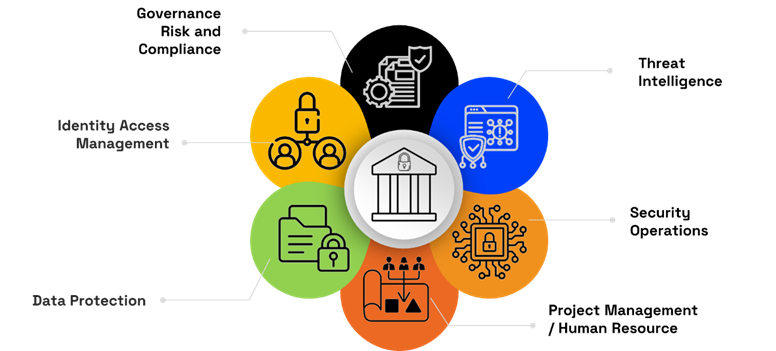
Figure 1: Sample strategic pillars of Information Security
To measure performance holistically, each pillar should be evaluated across three essential metric categories, each answering a key question.
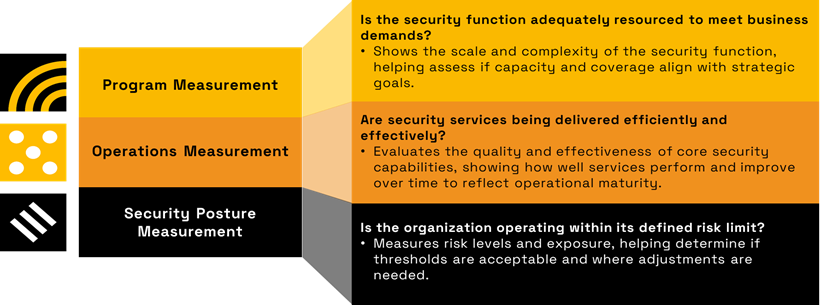
Figure 2: Sample metric categories
For metrics to drive meaningful outcomes, they should follow the SMART framework: specific, measurable, achievable, relevant, and time-bound. This ensures that every metric supports informed decision-making and aligns with the organization’s broader strategic goals. Rather than tracking everything, teams should focus on metrics that directly influence business outcomes.
The real differentiator lies in the inclusion of predictive insights. Traditional metrics answer “where we are” — but predictive metrics answer “where we are heading.” This can be achieved through:
- Trend analysis: Using historical performance data to identify patterns that signal future risk
- Threat intelligence integration: Combining internal metrics with external threat feeds to anticipate emerging attack vectors
- Machine learning models: Applying algorithms to forecast likelihood of SLA breaches, resource gaps, or control failures
- Scenario simulation: Stress-testing security posture against hypothetical future threats to measure readiness
Predictive insights transform metrics from static indicators into strategic foresight. They allow security leaders to prioritize investments, allocate resources proactively, and communicate risk in terms that resonate with executives and boards.
Translating security metrics into actionable insights
A well-structured security metrics program is only as valuable as its ability to communicate insights clearly across the organization. Reporting must be contextual and role-specific: executives and boards need a strategic view of resilience and business impact, while operational teams require granular detail for remediation.
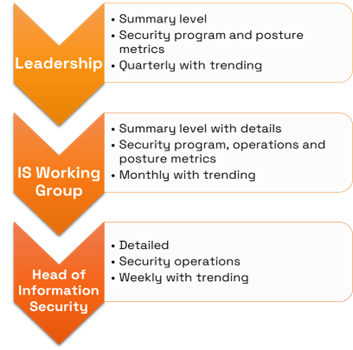
Figure 3: Performance evaluation reporting structure
Adaptive dashboards enable:
- Real-time visibility: Continuous updates on control effectiveness and risk posture
- Business-relevant narratives: Translating technical metrics into outcomes such as reduced breach likelihood, improved recovery times, and confidence scores
- Predictive forecasting: Visualization of trends and projected risk exposure based on analytics and threat intelligence
By integrating trend analysis, machine learning models, and external threat feeds, dashboards can highlight not only current gaps but also future vulnerabilities. Forecasting SLA breaches or resource shortages, for example, allows leaders to act before risks materialize.
Effective communication of these insights ensures that security is seen as a strategic enabler rather than a technical function. When metrics demonstrate how security investments reduce risk and protect business continuity, they build trust and support informed decision-making across the enterprise.
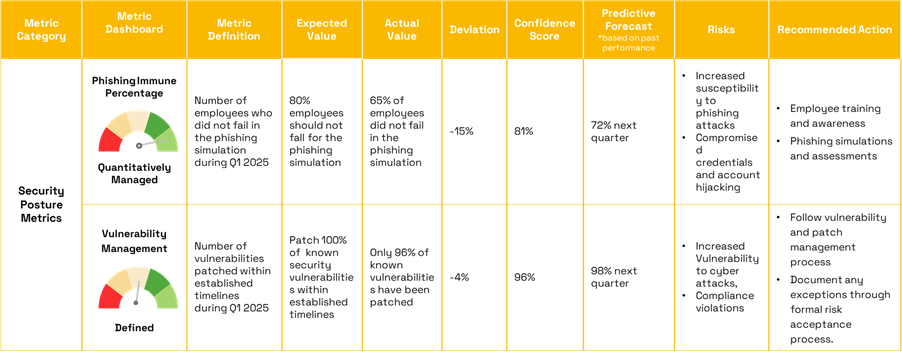
Figure 4: Metrics dashboard for leadership team
The business case for dynamical security performance measurement
The numbers make the case clearly. The State of the UAE Cybersecurity Report highlighted that in 2024, the global average cost of a data breach reached US$4.88 million — while the Middle East recorded nearly double that amount, making it the second highest globally.
A major contributing factor is not the absence of security controls, but the lack of visibility into their effectiveness. Organizations invest heavily in technology and compliance, yet without a structured approach to measure and predict performance, these investments fail to deliver full value.
Dynamic and predictive evaluation addresses this gap by transforming security from a reactive cost center into a strategic enabler. The benefits are measurable:
- Improved resilience: Continuous monitoring and adaptive metrics ensure readiness against evolving threats, reducing downtime and business disruption
- Executive alignment: Consolidated reporting and business-relevant narratives help boards understand security in terms of resilience and growth — not just technical compliance
- Regulatory confidence: Dynamic evaluation supports compliance while going beyond minimum requirements, strengthening trust with regulators and stakeholders
- Optimized investments: Outcome-driven metrics demonstrate the real-world impact of security initiatives, enabling informed decisions on where to invest for maximum risk reduction
- Proactive risk management: Predictive insights allow organizations to anticipate vulnerabilities and allocate resources before risks materialize
Practical steps to get started with security performance transformation
Implementing a dynamic and predictive evaluation program does not require a complete overhaul of existing processes. Organizations can begin by taking focused, incremental steps that deliver immediate value.
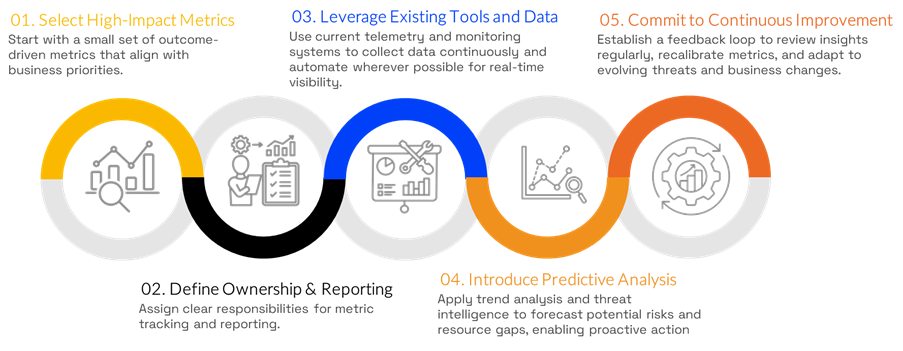
Figure 5: Practical steps to get started
A structured evaluation program lays the foundation for shifting from compliance-driven activities to a performance-focused approach. It strengthens decision-making, enhances operational efficiency, builds regulatory confidence, and fosters trust among stakeholders, enabling well-informed investments that support both security and business objectives.
In today’s competitive and threat-driven environment, organizations that embrace dynamic evaluation gain a clear advantage. They move from static compliance to adaptive resilience, ensuring security not only protects value today, but is strategically positioned to deliver greater impact tomorrow.
If you are looking to transform compliance into confidence, we are here to help you take the next step. Get in touch with CPX.